
Jeremy is a film actor and producer of 25 years’ experience, best known for his collaborations with Christopher Nolan, from making short films at University College London together.
As an Isle of Man Arts Council member, we caught up with Jeremy about what it's like to be a working actor in the film industry since new restrictions have been in place due to the Global Pandemic.
What is your professional background working within the Film Industry?
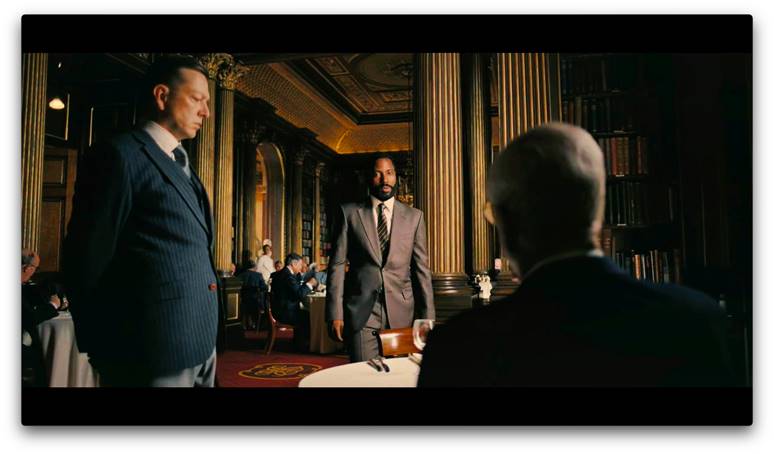
I’m a film actor and producer, best known for working with Christopher Nolan on his early shorts and debut feature, Following, as well as Batman Begins and Tenet; I currently have an award-winning feature on Amazon Prime called Convergence. On-island I’ve worked with Dark Avenue Film on their short, The Lost Wife, as well as with Dam Productions writing, producing and co-directing short films for the Visit Laxey Valley charity. I’m a member of the Arts Council and a trustee of two local charities.
What challenges have you experienced working during the pandemic, for example travelling for work?
The main challenge has been that films that I was involved with have been cancelled because of the extra expense of trying to shoot under Covid regulations. A feature that I was due to shoot in the USA has been put on hold as the producers can’t afford to ‘bubble’ everyone in a discrete location and studio. The cost to shoot under the restrictions, and the insurance and time involved if someone tests positive was too expensive to consider.
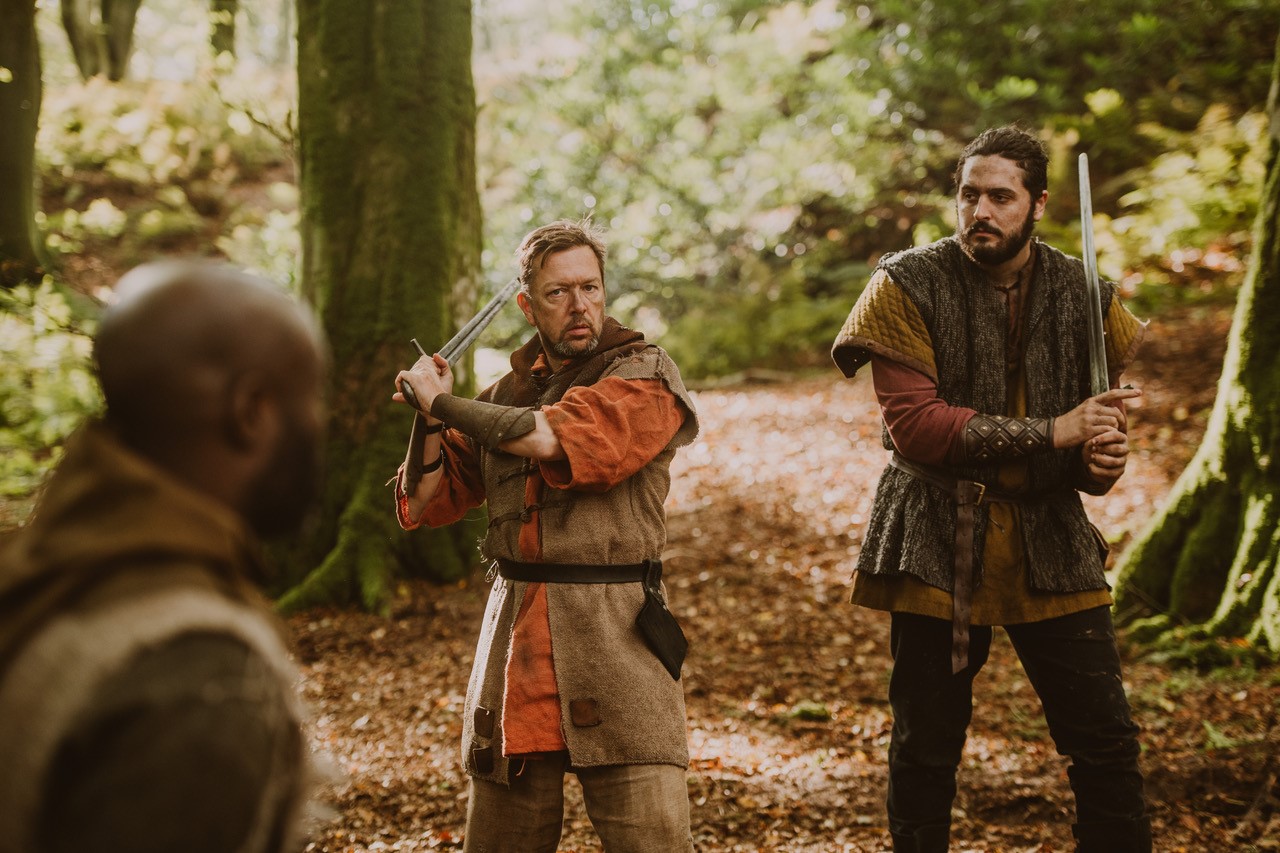
I’ve managed a couple of work trips, one to Scotland for a feature with John Rhys-Davies, and one to France for a documentary. The admin involved for the trip to France was substantial, along with the cost of testing before and after, and trying to negotiate the UK travel restrictions was very difficult, as others have found because they don’t allow for transitioning back to the Isle of Man.
Film crews normally work so closely together, for example crew huddled together around monitors, make up department applying make-up and hair styling, sound department (micing up actors etc). How has this changed on set to ensure everyone can do their job and still produce film/TV?
The British Film Commission produced a 60-page guide on how to work safely during Covid on film and television that includes everything from numbers of people on set, to cleaning of equipment, face masks, social distancing, personal hygiene, distance between hand sanitiser stations, etc… A lot of the crew that I know did special courses on this to make sure they could still work.
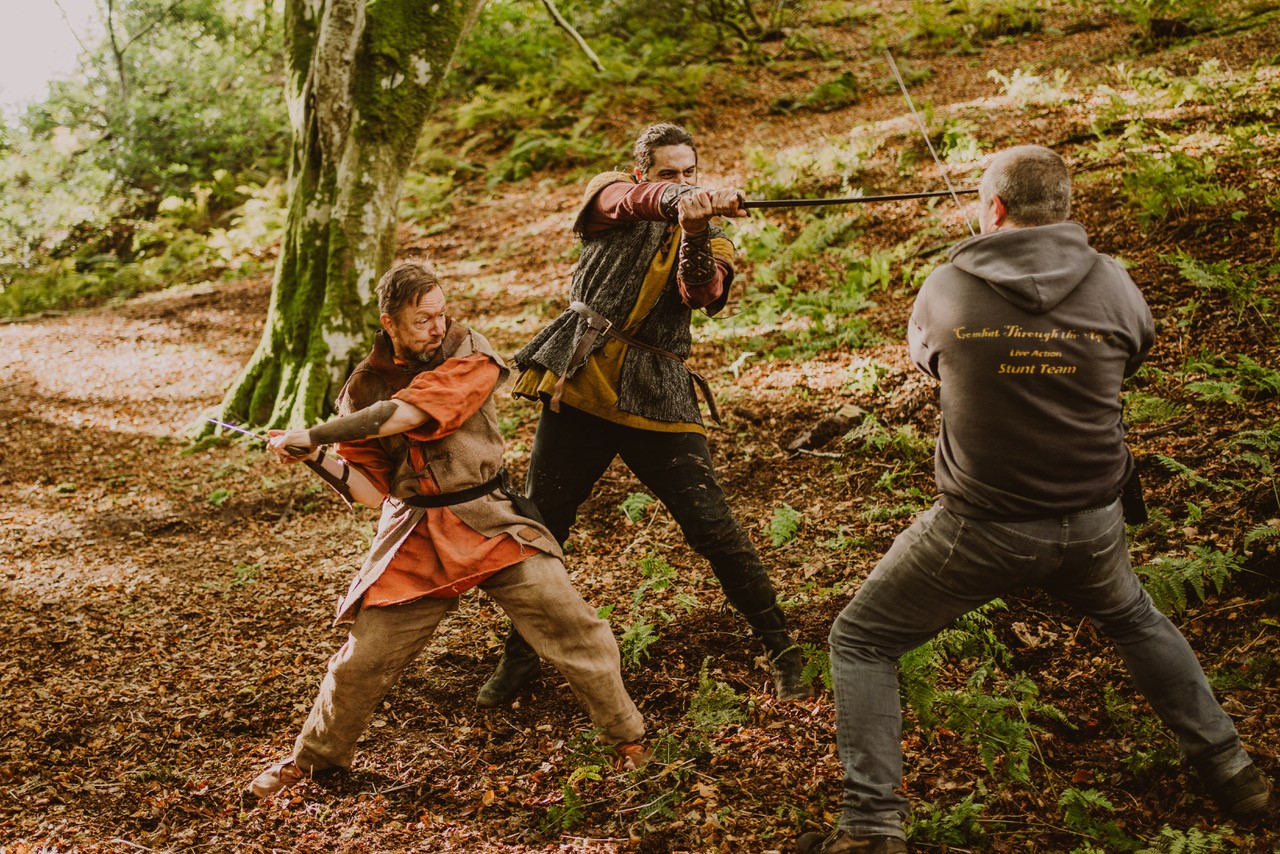
Essentially, you have to take a lot of precautions if you’re not going to ‘bubble’ the entire cast and crew, which some productions did — getting everyone to quarantine for two weeks before and take tests, then accommodate and shoot in a location where no-one who isn’t part of the bubble enters or leaves. Even then, there are still restrictions: temperature checks, hand sanitiser and masks but it makes some of the interaction easier. The shoot in Scotland for Kingslayer did this with everyone staying on the amazing 2000-acre Dunskey Estate, near Stranraer. Directed and written by its BAFTA-award winning lead actor, Stuart Brennan, it’s a story of Richard the Lionheart.
If not, then regular testing and monitoring for Covid symptoms needs to take place of all cast and crew, there are far fewer people on set, they must work in small pods with limited interaction, set ups must be done with each pod working individually, then actors (who won’t be masked) are introduced only when everything is ready. All of this takes a lot more time than usual and thus production is slower, and adds to the schedule and cost with crew being paid by the day. Alongside this are the usual restrictions on social distancing wherever possible, wearing masks and visors, hand hygiene, etc.
Do you think these precautions/changes will be a long-term way to create film and TV in the future?
I think everyone will be much more aware of infection control on set now but I hope that as the pandemic comes under control with worldwide vaccination that most of the restrictions will no longer be necessary.
NB Jeremy self-isolated alone on return to the Isle of Man in line with government regulations. He undertook testing on days 1, 7 and 14 at his own expense and returned negative results for each.

